
The Philippines Expat’s Guide to Investing in Off-Plan Condos
Living in the Philippines sounds like a dream — and for a lot of people, it is. Between the beaches, low cost of living, and friendly locals, it’s easy to see the pull. But if you’re thinking long-term, real estate starts to look pretty tempting. One option a lot of expats are jumping into is off-plan condos. That’s when you buy a unit that’s not finished yet. Sounds a little wild at first, but there’s actually a lot of upside if you play it smart.
What Off-Plan Really Means (And Why It’s Different)
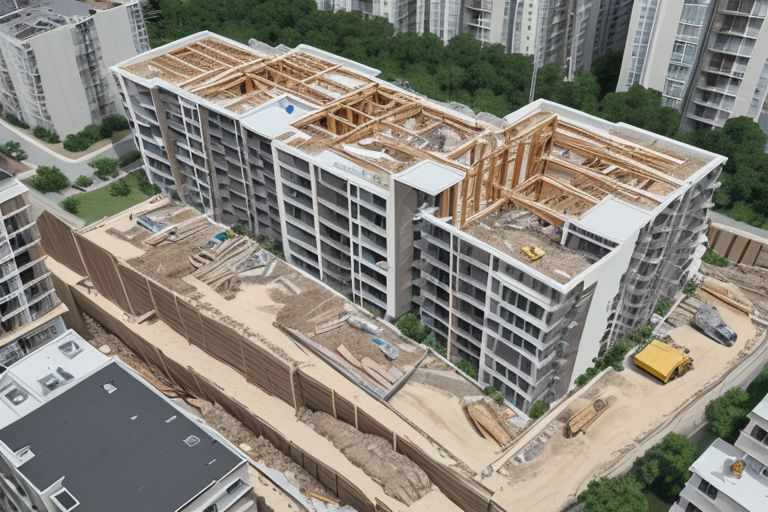
Off-plan condos are also called pre-selling units. Basically, you’re buying a promise. The building might still be a hole in the ground, but you’re getting in early based on blueprints and mockups. It’s not for everyone — you won’t get to walk through the place or see the finished product right away. But that’s also where the opportunity lies. Early buyers often get way better prices than those who wait until the building’s done. It’s a bet on the future — and in the right areas, that bet can really pay off.
The Big Win: Getting In Early and Paying Less
One of the best parts of going off-plan is the pricing. Developers usually launch with lower prices to attract early buyers. This means you can get a unit for a lot less than what it’ll be worth once construction is finished. Plus, if the neighborhood takes off or the whole area gets developed more, your investment could grow a lot before you even move in. This is where expats with a good eye for up-and-coming locations really win.
Paying in Chunks Instead of One Big Hit
Another perk? You don’t have to drop all the cash up front. Most developers offer staggered payments. That usually looks like a small down payment now, then monthly installments during construction. It’s way easier to manage than one big lump sum. Some people even use income from other rentals or side gigs to handle the payments as they go. If you plan it right, it doesn’t have to hurt your cash flow too much.
New Buildings Come With Modern Perks
If you care about style or comfort, off-plan condos are usually loaded with the newest stuff. Think smart layouts, energy-efficient systems, and resort-style extras like pools, gyms, or co-working areas. These are things older buildings don’t always offer. And if you ever plan to rent it out, modern units are way easier to market to tenants who want a clean, updated space.
Delays Happen So Don’t Count Chickens Early
Here’s the honest truth — construction delays are common. Even solid developers hit roadblocks sometimes. If you’re buying an off-plan condo, you’ve got to be okay with things taking longer than expected. That means you might need to rent longer or wait to start earning rental income. Always add a buffer to your timeline so you’re not caught off guard if the handover takes an extra year.
Markets Shift and That Can Change the Game
The real estate market isn’t set in stone. Prices can go up, but they can also dip. Maybe the area doesn’t grow as fast as you hoped. Maybe a new project nearby changes demand. That’s just part of the game. The smart move is doing your research before buying. Look at other projects in the area, check out upcoming infrastructure, and talk to locals or real estate agents who know the neighborhood.
You’re Trusting the Developer So Make Sure They’re Solid
Since you’re buying something that doesn’t exist yet, trust becomes a big factor. You want to work with a developer who’s actually delivered projects before — on time and as promised. Don’t just rely on the brochure. Search their past builds, visit finished units if you can, and look up any complaints or issues people have had. A cheap deal isn’t worth it if the developer goes broke halfway through the project.
Contracts and Clauses Can Catch You Off Guard
The condo you get might not look exactly like the one in the brochure. Sometimes finishes change, or layouts get adjusted during construction. That’s normal — but it should all be laid out in the contract. Look for fine print about changes, timelines, and penalties. If something sounds vague, ask questions. Better to feel annoying now than confused later. Bring a lawyer if you’re not sure — this is a big investment and you want everything clear from the start.
What’s Really Going On With the Market Right Now
Before putting money into anything, you’ve got to know what the market’s doing. That means checking prices, demand, and how fast units are actually getting rented or sold. Don’t just rely on Facebook groups or guesswork — dig into real data. Read market reports, talk to real estate agents who know the area, and get a feel for how things are trending. Some neighborhoods are hot while others might be past their peak.
Also, keep an eye on government rules. Policies around construction, foreign ownership, or tax laws can shift and mess with your plans. A quick consult with a local real estate lawyer is worth it. The more you know now, the less you’ll regret later.
Where People Are Actually Buying (And Why)
Not every spot in the Philippines is great for off-plan condos. Some places are exploding with growth while others are all hype. Metro Manila is still the top pick for most investors — tons of jobs, people looking for rentals, and lots of infrastructure coming in. If you find a project near a new subway or business hub, that’s a solid lead.
Cebu is another strong bet, especially near the beaches or tourist areas. Rentals do well here, and expats love the vibe. Then there’s Clark — a special economic zone with business incentives and a growing expat crowd.
And don’t sleep on smaller cities like Davao, Iloilo, or Cagayan de Oro. These places are getting new malls, airports, and roads — that kind of development can send property values up fast.
When picking a location, look beyond the brochure. Think about traffic, access to airports, where people work, and what’s being built nearby.
Don’t Fall for the Pretty Pictures
Renderings always look amazing — rooftop pools, floor-to-ceiling glass, rooftop gardens. But when it comes to off-plan, what matters is what actually gets delivered. Start by checking who’s behind the project. Has this developer finished stuff before? On time? With decent reviews? If not, that’s a big red flag.
Next, look at the floor plans, unit sizes, and common areas. Are they practical for daily living or just flashy on paper? If you’re planning to rent it out, think about what renters actually want — things like reliable elevators, parking, security, and fast internet.
Read the payment terms carefully too. Some deals look good until you see the hidden fees or stiff penalties for missing a payment. Make sure the payment schedule fits your cash flow, especially if you’re relying on savings or other investments to cover it.
Know Your Plan for Getting Out Later
You’re buying this condo for a reason maybe to rent it out, maybe to live in, maybe to sell it later for profit. Whatever your goal is, keep that in mind from the start.
If you’re thinking long-term rental income, make sure the project is in a location where people actually want to rent. If you’re hoping to flip it, focus on fast-developing areas with rising property values.
Either way, having an exit strategy helps you avoid getting stuck. You don’t want to be the person trying to unload a unit in a building that nobody’s interested in anymore. A solid plan now makes the whole investment feel a lot less risky.